

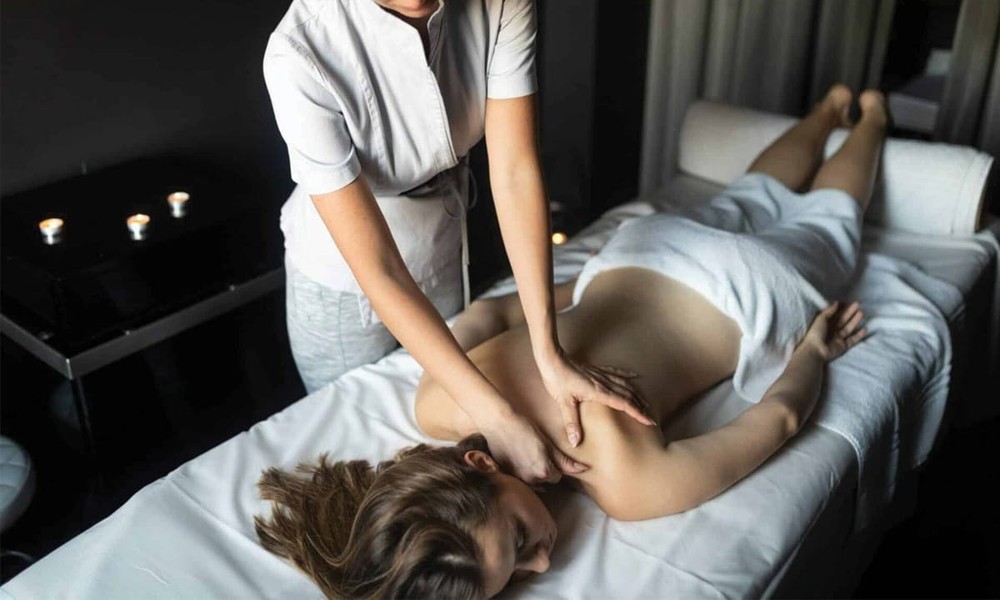
Regular activities can place pressure on muscles while creating pressure that affects overall well-being. The body frequently responds better when given proper attention through gentle wellness practices. Swedish massage supports easing while encouraging smoother movement across different muscle groups. A steady routine can help maintain physical ease while promoting a healthier state of balance throughout everyday life, and swedish massage therapy plano supports relaxation and overall well-being.
Can Gentle Touch Help?
Gentle techniques encourage the release of built up tension while supporting a calmer physical condition. Soft movements help muscles feel less restricted during daily tasks. Improved flexibility may develop gradually through regular attention. This approach promotes natural relaxation without creating unnecessary pressure on the body.
Building Lasting Body Harmony
Physical balance often improves when the body receives consistent care. Steady wellness sessions support flexibility while encouraging smoother motion. Small positive changes can develop through regular practice over time. This helps create a stronger foundation for everyday physical wellbeing.
- Gentle sessions encourage flexibility during daily physical activities regularly.
- Consistent attention supports smoother movement across muscle areas naturally.
- Soft techniques help reduce accumulated tension within body tissues.
- Regular wellness routines promote improved comfort throughout each day.
- Steady care encourages balanced physical function over longer periods.
Why Does Balance Matter?
A balanced body supports easier movement while helping daily routines feel less demanding. Reduced tension allows muscles to work more efficiently during normal activities. Physical harmony may also contribute to improved focus throughout the day. Maintaining balance supports overall wellness goals in a practical way.
The use of Massage Therapist Athens GA within a wellness plan may help support natural body function. Gentle methods focus on encouraging physical ease rather than forcing rapid change. Consistent care often helps maintain flexibility while supporting ongoing comfort. This creates a reliable approach for individuals seeking steady wellness support.
Supporting Natural Energy Flow
Healthy circulation plays an important role in maintaining physical wellbeing. Gentle hand movements encourage blood movement throughout different body areas. Improved circulation may help muscles feel refreshed after each session. This supports a lighter feeling during regular daily responsibilities.
How Can Routine Care Assist?
Ongoing attention helps the body remain in a more balanced condition. Regular sessions support muscle flexibility while encouraging relaxation. A planned schedule may help reduce physical strain before discomfort increases. This creates a practical method for maintaining long-term wellness.
- Routine visits encourage ongoing support for physical wellbeing goals.
- Gentle care promotes relaxation during demanding daily responsibilities.
- Balanced attention helps maintain flexibility across muscle structures.
- Consistent sessions support smoother movement throughout active schedules.
- Regular wellness habits encourage lasting comfort each week.
Making time for regular body care can help reduce everyday strain while supporting easier movement. When attention is given to tight areas on a consistent basis, the body may feel lighter and more responsive. Keeping a steady schedule can help manage physical stress early. Over time, this simple approach may contribute to greater ease, improved mobility, and better daily wellbeing.
FAQs
Can gentle wellness sessions support better daily body movement?
Yes regular care encourages smoother motion during everyday activities.
How often should relaxation sessions be included in routines?
Regular appointments help maintain balance and physical ease consistently.
Do these sessions help reduce muscle tightness effectively today?
Soft techniques encourage relaxation while easing accumulated physical tension.
The Body Temple Spa
2350 Prince Ave, Unit #21, Athens GA 30606
Phone +1 (959) 400 9242