


Breathing is something most people barely think about, until it starts to feel difficult. The nose plays a major role in how we breathe, sleep, and maintain energy throughout the day. When nasal structure is compromised, even slightly, the effects can ripple through daily life. From restless nights to constant fatigue, structural nasal issues often go unnoticed or get mistaken for unrelated health concerns.
What makes this even more challenging is that poor sleep and low energy rarely come from one cause alone. Physical obstructions, chronic inflammation, and psychological stress can all overlap. Understanding how nasal structure fits into that bigger picture is an important step toward improving not just breathing, but overall well-being.
How Nasal Structure Supports Everyday Function
The nose does much more than let air in. It filters, humidifies, and regulates airflow before it reaches the lungs. When the nasal passages are properly aligned and clear, breathing tends to be more efficient and quieter, especially during sleep.
Structural issues like a deviated septum, collapsed nasal valves, or enlarged turbinates can interrupt that process. Even mild narrowing can increase resistance and force the body to work harder to breathe. That often leads to mouth breathing, which skips the nose’s natural conditioning process and can cause dryness, irritation, and poor sleep.
Over time, inefficient breathing can put extra strain on the body. Oxygen intake may become less consistent, and the brain may respond by triggering frequent awakenings during sleep. These interruptions are often subtle, but they can have a real impact on how rested someone feels the next day.
The Link Between Nasal Obstruction and Sleep Quality
Sleep depends on steady, uninterrupted breathing. When airflow through the nose is restricted, the body often compensates in ways that disrupt normal sleep cycles. Snoring, mouth breathing, and frequent waking are all common signs of underlying nasal obstruction.
In more severe cases, nasal issues can contribute to sleep-disordered breathing, including obstructive sleep apnea. Even without apnea, partial obstruction can still fragment sleep. The body may repeatedly shift out of deeper sleep stages just to maintain airflow, which leads to less restorative rest.
Evaluation by specialists, such as the board-certified ENT doctor in Dallas, TX, often includes a detailed airway assessment to identify these issues. By examining the structure of the nasal passages and surrounding tissues, clinicians can determine whether physical obstruction is contributing to sleep disturbances. Addressing those concerns can make a meaningful difference in both sleep continuity and overall restfulness.
Recognizing the Signs of Nasal-Related Sleep Issues
Many people live with nasal obstruction for years without realizing how much it affects them. The symptoms can be subtle and are often blamed on other causes. Common signs include chronic congestion, trouble breathing through the nose, frequent waking during the night, and ongoing daytime fatigue.
Snoring and mouth breathing are also important signals. They may seem minor, but they can point to deeper airflow problems. Over time, those patterns may affect overall health, including cardiovascular and cognitive function.
Early recognition matters. Getting evaluated when symptoms continue can help prevent long-term complications and improve quality of life. Just as important, many of these issues are treatable, and that understanding can be the first step toward real improvement.
Daytime Fatigue: When Rest Isn’t Restorative
Waking up tired after a full night’s sleep is a common complaint. Many people assume stress or lifestyle habits are to blame, but structural breathing issues are often overlooked. When sleep is interrupted again and again, even briefly, the body may not complete the restorative work it needs to.
That can lead to ongoing fatigue, trouble concentrating, and lower productivity. Over time, chronic tiredness may affect mood, memory, and immune function. The body stays in a low-level stress state, trying to compensate for poor-quality rest.
Primary care providers, such as those at Internal Medicine & Primary Care of Sebastian (IMPCS), often play an important role in spotting these patterns. Through fatigue assessments and general health screenings, they can help determine whether symptoms stem from sleep disruption, an underlying medical condition, or a mix of both. That broader perspective helps ensure nasal issues are not viewed in isolation.
Treatment Pathways and What to Expect
Treatment for nasal-related breathing issues depends on the cause. Some people benefit from medications that reduce inflammation or help manage allergies. Others may need structural correction to restore proper airflow. Sleep studies are sometimes recommended to see how breathing patterns are affecting rest. These evaluations can offer useful insight into whether nasal obstruction is contributing to disrupted sleep cycles.
In many cases, treatment follows a gradual approach. Initial care may focus on noninvasive options, with surgery considered only if symptoms persist. Throughout the process, collaboration among specialists helps keep care comprehensive and tailored to the individual.
Functional Nasal Correction and Its Role in Recovery
When structural abnormalities are confirmed, treatment may involve functional nasal correction. Unlike cosmetic procedures that focus mainly on appearance, these approaches are designed to improve airflow, stabilize nasal structures, and restore normal breathing mechanics. For many patients, that can lead to noticeable improvements in daily comfort and sleep quality.
Facial plastic specialists evaluate the nose from both a structural and functional standpoint. In this setting, a rhinoplasty consultation goes beyond appearance and focuses on identifying where airflow is restricted and how internal support can be improved. According to providers offering personalized nose reshaping procedures in Plano, effective rhinoplasty balances function and form while maintaining natural facial harmony. Techniques such as nasal valve repair, septal correction, or reconstructive support can improve breathing efficiency over the long term.
Patients who undergo these procedures often report better sleep, less snoring, and improved daytime energy. Some also notice added benefits, including better focus and an overall greater sense of well-being linked to improved oxygen flow.
Still, surgery is not always the first step. Conservative treatments, including medication, allergy management, or lifestyle changes, may be recommended depending on the cause and severity of symptoms. A thoughtful, individualized approach helps ensure each patient receives care that supports both immediate needs and long-term outcomes.
The Overlooked Role of Mental and Emotional Health
Physical breathing problems are only part of the picture. Mental and emotional health can also have a major effect on sleep quality and energy levels. Stress, anxiety, and trauma can all disrupt sleep patterns, even when breathing is normal.
For people dealing with trauma or post-traumatic stress, fatigue may come from heightened alertness and difficulty reaching deeper stages of sleep. In those cases, addressing nasal structure alone may not fully resolve symptoms. A more comprehensive approach is often needed.
Support services, such as those mental health care offered by Kimball Health Services, can help individuals manage trauma-related fatigue. Mental health care plays an important role in restoring balance, especially when psychological factors are contributing to sleep disruption. Combining that support with physical health care often leads to more lasting improvement.
Why a Coordinated Care Approach Matters
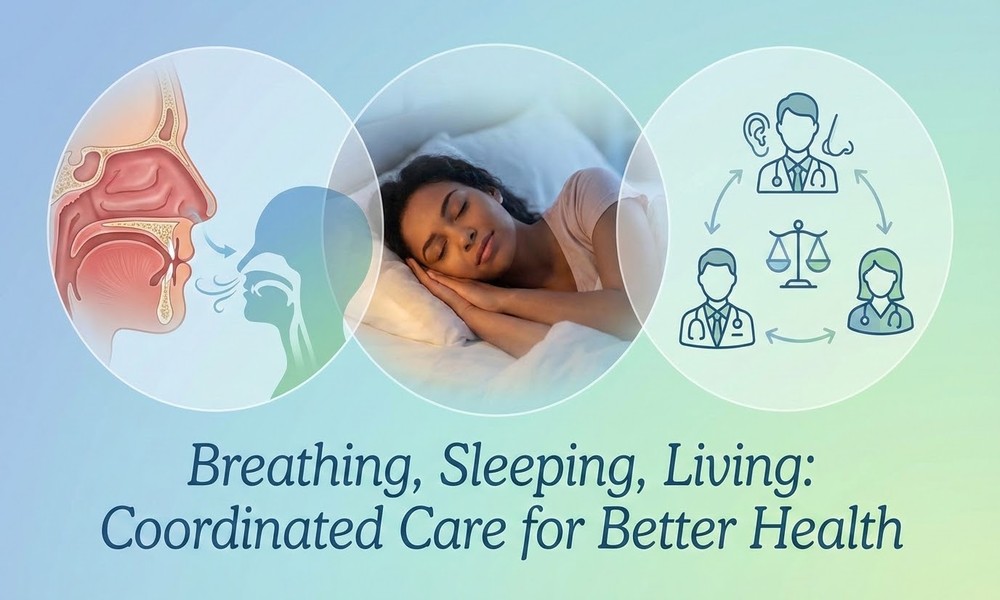
Because nasal obstruction, sleep quality, and fatigue are so closely connected, treatment often benefits from input across multiple disciplines. ENT specialists, primary care providers, and mental health professionals each bring a different piece of the puzzle.
An ENT evaluation may identify structural problems, while a primary care screening could uncover issues like anemia or a thyroid imbalance. At the same time, mental health support may help address stress or trauma that is interfering with sleep.
When all of those factors are considered together, outcomes tend to improve. Patients are more likely to experience lasting relief because both physical and psychological contributors are being addressed. This kind of coordinated care reduces the chance of partial solutions that leave the root causes unresolved.
Conclusion
Breathing, sleeping, and daily energy are deeply connected. When nasal structure interferes with airflow, the effects can reach far beyond the nose. Poor sleep, persistent fatigue, and reduced day-to-day function are often tied to issues that are both physical and complex.
Addressing these challenges usually takes more than one solution. By combining structural evaluation, general health screening, and mental health support, individuals can move toward more complete and lasting improvement. Recognizing the role of nasal health in everyday well-being is an important step toward living with greater clarity, energy, and rest.