

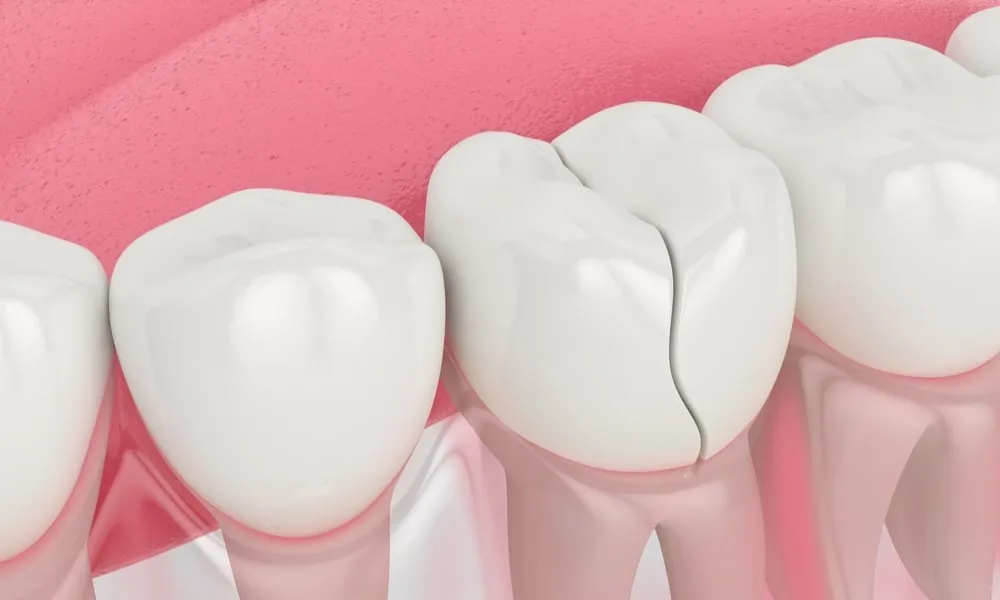
Tooth enamel is the hard outer layer that covers each tooth. It protects the crown, the visible part of the tooth, and keeps the inner layers safe from damage. Enamel is actually the hardest substance in your body, even stronger than your bones.
Although it’s very strong, enamel can wear down over time. Acids from food, plaque buildup, and everyday chewing can slowly damage it. In some cases, a dental crown may be needed to protect and restore the tooth’s structure. Once enamel is lost, it does not grow back, which is why taking good care of your teeth is so important.
The Role of Tooth Enamel
The primary role of enamel is to shield your teeth from damage. It acts as a barrier for the sensitive layers inside, called dentin and pulp. If your enamel gets damaged, you may develop cavities or tooth infections. Damaged enamel can also make your teeth more sensitive to hot, cold, or sweet foods.
What Enamel Looks Like
Enamel is slightly see-through. The color of your teeth actually comes from the dentin beneath it, which can range from white to yellowish tones. Together, the enamel and dentin give each person’s teeth their natural shade.
What Enamel Is Made Of
Tooth enamel is mostly made up of minerals, mainly calcium and phosphorus. These two form tiny crystals that make the enamel very hard and durable. The rest of the enamel is made of a small amount of water and protein.
Problems That Affect Tooth Enamel
When enamel wears away — a problem called enamel erosion — the inner layers of your teeth become exposed. This can make your teeth more sensitive and more likely to get cavities or stains.
Common causes of enamel loss include:
- Too much sugar: Bacteria feed on sugar and release acids that weaken enamel.
- Acidic foods or drinks: Sodas, citrus fruits, and other acidic items can wear away enamel.
- Dry mouth: Saliva helps wash away acids and bacteria; without enough saliva, enamel wears down faster.
- Teeth grinding or clenching: Too much pressure can chip or crack enamel.
- Genetics: Some people naturally have thinner enamel.
- Stomach acid: Acid from conditions like GERD or bulimia can damage teeth.
- Bad habits: Nail biting or using teeth to open things can weaken enamel.
How to Protect Your Enamel
Taking care of your enamel keeps your teeth strong and healthy. Here are some easy tips:
- Brush your teeth twice a day using a soft-bristled toothbrush and fluoride toothpaste.
- Floss every day to clear away food particles and plaque between teeth.
- Limit sugary and acidic foods or drinks.
- Drink sodas and fruit juices through a straw to reduce acid contact with your teeth.
- Stay hydrated by drinking plenty of water throughout the day.
- Chew sugar-free gum to increase saliva production.
- Use a mouth guard at night if you tend to grind your teeth.
- Visit your dentist regularly for cleanings and checkups.