

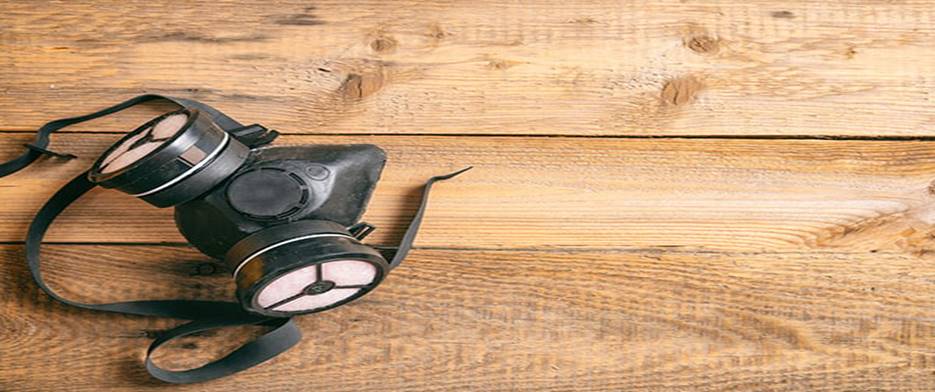
Respiratory protection is an essential component of personal protective equipment, or PPE. Especially in sectors where personnel are exposed to dangerous airborne contaminants. However, simply distributing devices is insufficient.
For workers’ welfare, it is equally crucial to make sure they have a medical clearance to use a respirator. This clearance is useful in this situation—a comprehensive medicative review, including health screening interviews.
And, if required, a physical examination is compulsory for approval. Take a look at Vest Med, for instance. This procedure guarantees that workers can use them safely.
Of course, without endangering their health. Especially in sectors where being exposed to airborne dangers is frequent. Preventing negative health consequences, guaranteeing adherence to workplace safety regulations. And safeguarding the welfare of employees all depends on approval.
Their services are customized to meet your working requirements. This assures you that your staff members are capable of using them. This proactive strategy reduces hazards and improves worker safety.
What’s Respirator Clearance?
This is a medicative examination that verifies if an employee is physically capable of donning a respirator. Depending on what kind of device being used.
It is a procedure that entails reviewing the staff member’s medical history. Plus, there is a need for various physical examinations or certain tests.
The objective is to guarantee that the staff member can wear this safely. Without running the danger of illness, like breathing difficulties or a decreased oxygen supply.
What Makes It Crucial?
- Compliance with Regulations
Any member of staff who utilizes this at work must have approval. That is according to OSHA, or the Occupational Safety and Health Administration.
Employers are required by OSHA’s Respiratory Protection Standard (29 CFR 1910.134) – see https://www.osha.gov/respiratory-protection/standards for further reading. This is to make sure that employees are medically assessed to ascertain if they can wear a respirator.
- Employee Well-being and Safety
The protection of the workforce is the main justification for this approval. The body may be put under more stress when wearing a ventilator.
Especially the respiratory and cardiovascular systems. Negative effects may be more likely to occur in workers with pre-existing problems. Such as heart disease, asthma, or chronic lung illnesses.
- Ensuring Correct Fit
Its effectiveness depends on a correct fit. When a worker is not authorized to wear a ventilator. They run the risk of endangering not just their own well-being but also the safety of others around them.
The Procedure
- Medical Questionnaire
To gain insight into their general well-being and any respiratory issues. Laborers usually start this procedure with a medical questionnaire. A licensed healthcare provider, or LHP, frequently reviews this form.
- Medical Examination
Additional testing may be required based on the member’s answers and medical history. Physical examinations, cardiovascular evaluations, and pulmonary function testing. These are just a few examples of these tests.
- Fitness Determination
The healthcare professional will either approve the worker’s use of this device. Or suggest further testing or adjustments based on the evaluation’s findings.
A staff member might occasionally be forced to utilize a different kind of respirator. This can be less harmful to their health.

Data Regarding Respiratory Protection
- The CDC estimates that 5 million American workers must use these as a requirement of their employment.
- According to a National Institute for Occupational Safety and Health or NIOSH report. One of the main causes of breathing-related disorders at work is inappropriate use of respiratory protection.
- Research indicates that 22% of employees who use them report feeling uncomfortable. Know that this may affect their productivity and adherence to safety procedures.
Dangers of Not Having a Respirator Clearance
If employees are not adequately assessed before donning respirators. There may be major repercussions, including:
- Health Issues
Employees who are using them without permission may experience exhaustion. Also, cardiovascular strain or respiratory difficulty – click this to learn more. This may lead to lower output and a higher chance of mishaps.
- Legal and Financial Repercussions
Regulatory organizations like OSHA may impose fines on employers who fail to obtain this approval. Fines, legal problems, and an increase in workers’ compensation claims could result from noncompliance.
- Reduced Worker Confidence
Employees’ confidence as well as willingness to utilize the protective gear may suffer. That’s if they feel uncomfortable or unsafe using these devices. Thus, further endangering their well-being and safety.
Conclusion
A safe, healthy, and productive workplace depends on proper clearance. This is more than just a checkmark on a compliance list.
When carefully applied, it improves organizational compliance and fortifies the general welfare culture. It also shields workers from invisible airborne risks.
The significance of breathing protection will only increase as new health risks arise and industries continue to change. Employers will be better equipped to safeguard their employees.
And they will also prosper in the regulatory environment of the future. Only if they prioritize and fund strong clearance programs now.